
As we shift into summer, many of us feel a sense of lightness; longer days, kids out of school, community events, time outside. But in community work, we also know summer can bring a very different kind of pressure for families: disrupted routines, childcare gaps, food insecurity, and increased stress as resources thin out just when needs rise.
At KARA, how we respond to those needs is just as important as what we offer. One of the first things I talk about in interviews with new staff is this: we are not a “helper” agency. We intentionally remove the word help from our vocabulary and replace it with support.
That might sound small, even fussy, but it reflects a much bigger belief:
every family we meet is the expert in their own life.
Our job is not to swoop in with answers. Our job is to walk alongside people when they’re navigating a time and place in life where an extra steady voice, another set of eyes, or some practical backup makes the path feel possible again.
It’s a shift from doing things for people to working with them.
The Flat Tire That Taught Me (Again) What Families Already Know
Not long ago, I had a morning that perfectly captured this idea.
I woke up to find a nail in my tire. It was a day stacked with time-sensitive commitments: school events for my kids, several work meetings, and logistics that simply weren’t possible without a vehicle.
To add to the pressure, it was right after May long weekend in Alberta—prime time for everyone to be swapping out winter tires. I live in a small town with no car rental agency. As I started my usual morning rush of packing bags, organizing kids, mentally running through my calendar, I also began calling every mechanic within a 15-kilometre radius, waiting for someone to pick up.
No one did.
The situation wasn’t impossible, but in that moment, it felt that way. My brain was flooded with “how am I going to make this work?” and not much else. I just couldn’t see a solution.
Later that morning, I was talking with a friend and she asked a simple question:
“Are your second set of tires already on rims? Could you just change it yourself?”
It was like a reset button. Of course I could. I had the tires. I had the tools. I had changed tires before. I just couldn’t access that knowledge in the stress of the moment.
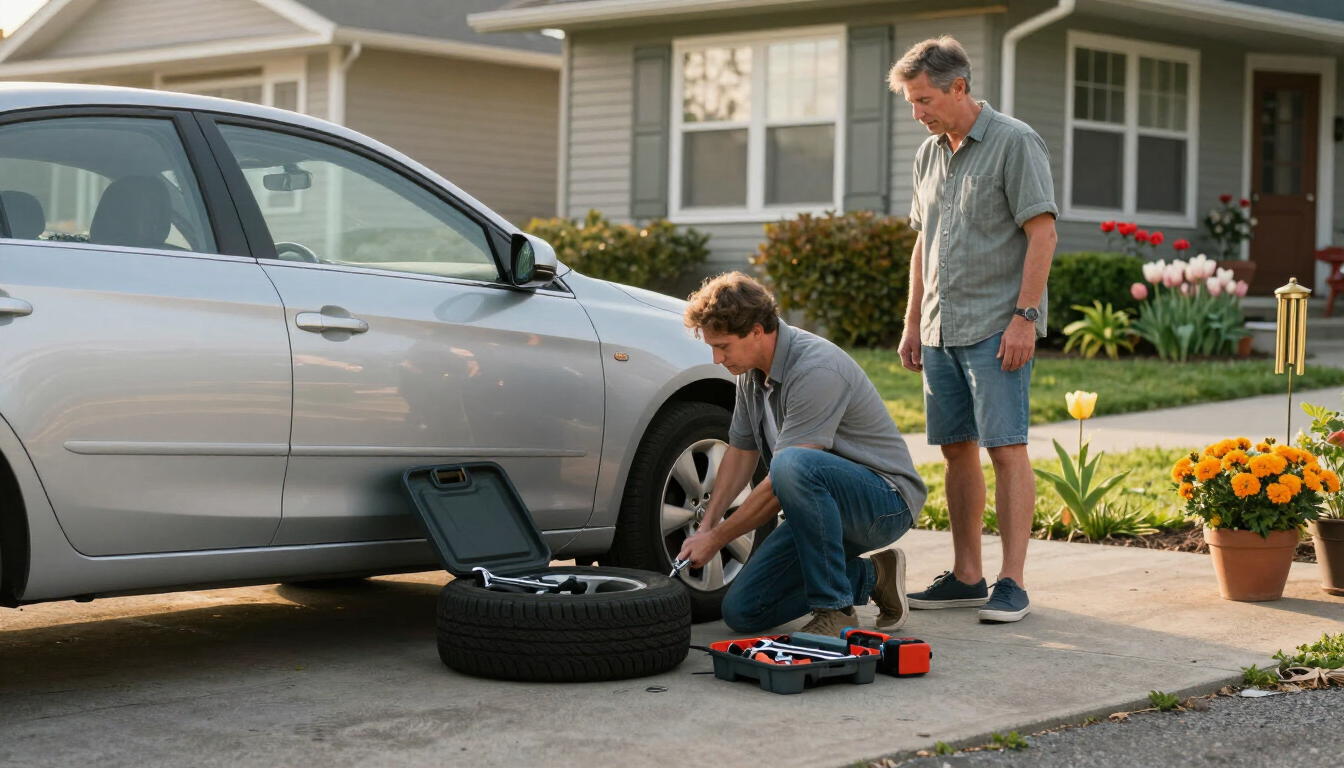
I went outside, pulled out the jack and wrench, and started getting everything set up. As I was working, a neighbour walked by, saw what I was doing, and came over with an impact drill to speed things up. The whole process became easier, faster, and lighter—not because I was helpless, but because someone chose to stand with me in a moment when I was overwhelmed.
That is the power of “with.”
I had the tools.
I had the experience.
I needed a calm voice and a bit of companionship to put it all together.
Families Already Have Tools. We Offer Companionship and Structure.
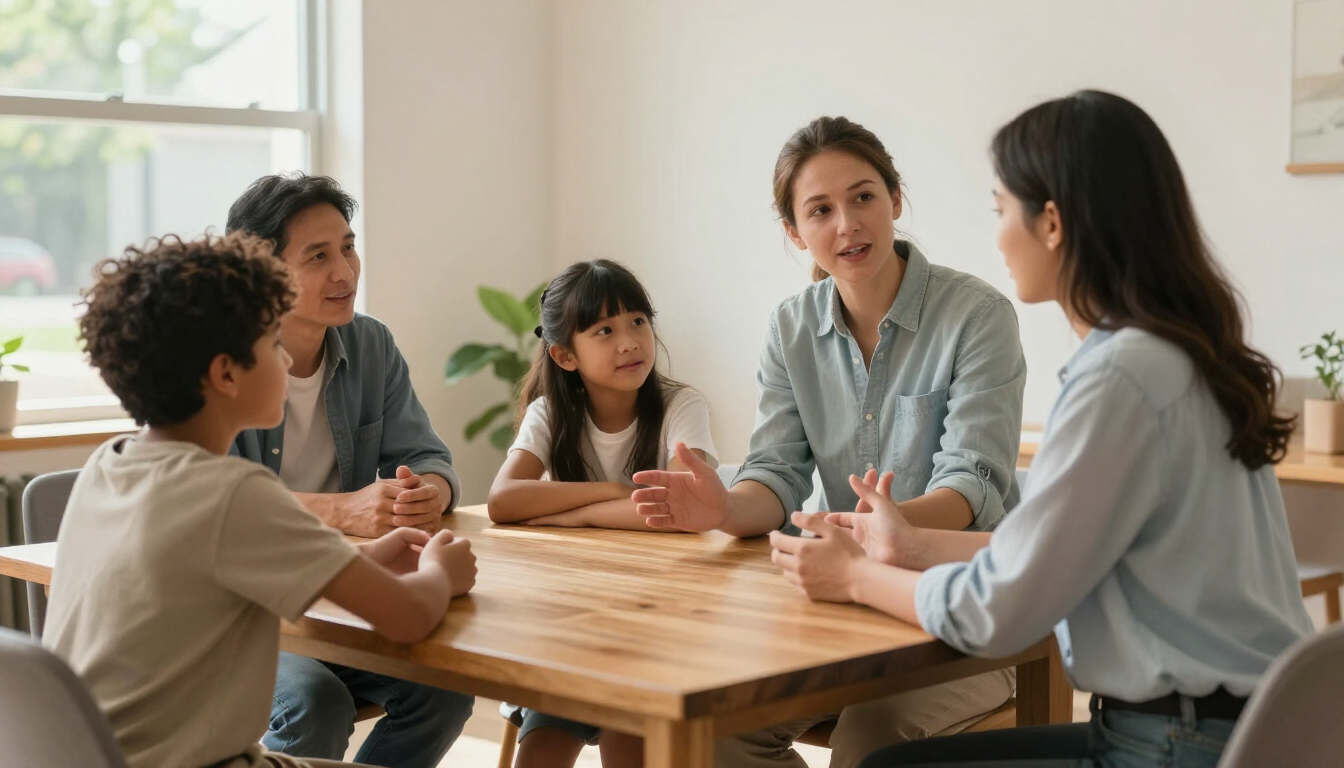
Families who walk through our doors—or call, or meet us in community—are often in their own “flat tire” moment.
They may:
- be balancing work, parenting, and caregiving with very little margin
- be trying to navigate systems that weren’t built with them in mind
- feel flooded with worries about housing, food, safety, or their child’s wellbein
In those moments, it’s easy for any of us to lose sight of what we already know and what we’re already capable of. Stress narrows our vision.
That’s why KARA chooses language and practice that honours the strengths already present in every household. When we say we support families, we mean:
- We assume capability, not deficiency. We start from the belief that people bring history, culture, skills, and resilience into every conversation.
- We ask, we don’t prescribe. Instead of “Here’s what you need to do,” we ask, “What matters most to you right now?” and “What have you already tried?”
- We break things down together. Sometimes, like my friend did for me, it’s about slowing the moment down enough to see the options and resources that are already there.
- We welcome collaboration. Just like my neighbour joining me with an impact drill, we recognize that sometimes the best support is simply adding a little extra power to what a family is already doing.
This is what Psychological Health and Safety looks like in practice: not treating people as problems to solve, but as partners to stand beside.
Summer: A Season for Walking Alongside
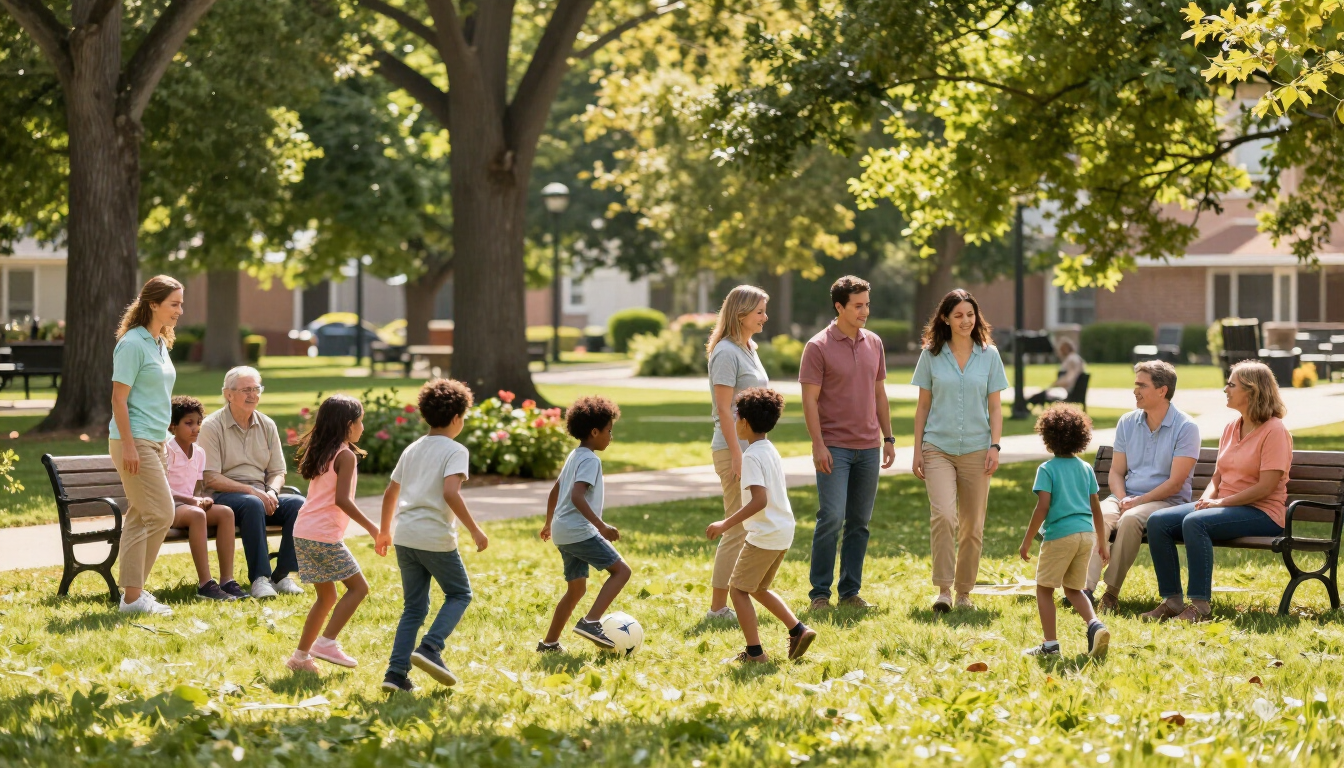
As summer approaches, many families will be juggling:
- changes in childcare and routines
- increased costs for food, activities, and transportation
- heightened stress for kids and caregivers who lose the structure school provides
It can be tempting, as organizations or professionals, to respond by designing more programs for people—more services, more “fixes.” But what communities tell us, again and again, is that they want to be seen, heard, and respected as experts in their own lives.
So this summer, at KARA, our commitment is to:
- Listen first. Ask families what they’re experiencing and what they want to see more of.
- Focus on “with.” Design supports that invite voice, choice, and collaboration.
- Name strengths out loud. Remind families of the tools, skills, and know-how they already have, especially when stress makes those hard to see.
- Be the calm voice in the rush. Offer that steady presence that helps people move from “I can’t do this” to “I can do this—with someone beside me.”