
What does prevention-based care actually look like?
"What does prevention-based care actually look like?"
It's a question I hear often, and it's a fair one. Unlike crisis intervention or emergency response, prevention doesn't come with flashing lights or one obvious turning point. If you walked into one of our programs for the first time, you might wonder what all the fuss was about.
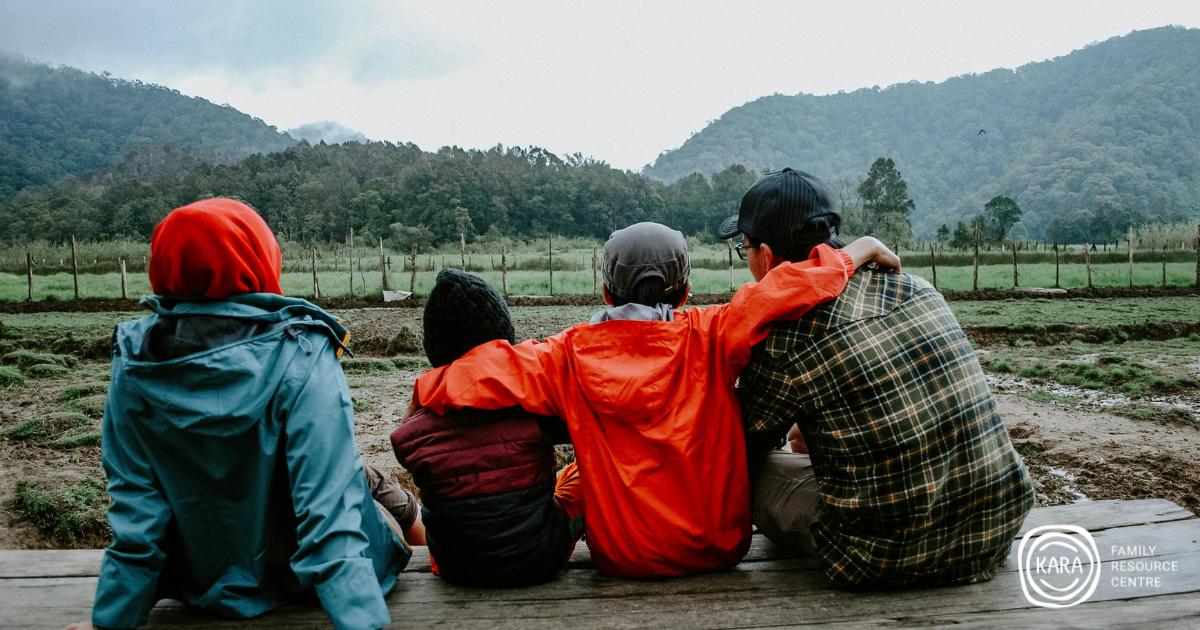
You would see kids playing on the floor. A couple of parents nursing coffee. Someone colouring at the table. A facilitator sitting cross-legged, reading a book out loud to no one in particular.
None of it looks remarkable, until you understand what's happening underneath it.
-----------------------------------------
I've been doing this work long enough that I don't see "a parenting group" anymore. I see a room full of small signals.
I notice the parent who's spoken a little more each week. The caregiver who's stopped apologizing before she asks a question. Two people exchanging phone numbers because they've just realized, three chairs apart, that they're walking through the same season of life.
None of that happens by accident. It's what happens when you deliberately build a space where people feel safe enough to be honest — and honesty, more often than we give it credit for, is where prevention actually starts.
The conversation that isn't a diagnosis
Sometimes prevention sounds like a parent saying, "I've noticed my child's speech seems a little different than other kids their age — is that normal?"
That's not a diagnosis. It's not an assessment. It's an opening.
Sometimes a parent just needs reassurance. Sometimes they leave with a next step.
Sometimes they decide they're not ready yet, and that's fine too. What matters isn't which of those happens — it's that they felt safe enough to ask in the first place.
Where the real answers come from
The same thing plays out in our parenting groups. People assume families come looking for answers from a professional. More often, the answer that actually lands comes from another parent across the table.
"We struggled with that too."
Five words. They can undo more shame than anything I could say as a facilitator — because they come from someone who's lived it, not someone who studied it.
The room and the research say the same thing
None of this is just a feeling I have about the work. Edmonton's own kindergarten-readiness numbers show that only about six in ten kids arrive at school already meeting their developmental milestones (Edmonton Public Schools), and Alberta data has long put the share of children with an undetected developmental delay at 10 to 15 percent — delays that, left unnoticed, can shape everything from behaviour to how a kid feels about themselves in a classroom (PolicyWise). And Nobody's Perfect, the parenting program that's been running in groups like ours across Alberta for decades, shows up in evaluation after evaluation with the exact outcomes I watch happen in that room — parents using more positive discipline, feeling less isolated, and knowing where else to turn (Public Health Agency of Canada).
The research and the Tuesday-morning group are describing the same thing from two different angles.
What I think our job actually is
The longer I do this work, the more I think our job was never to have all the answers. It's to build rooms where good questions get asked out loud.
Sometimes that happens over coffee. Sometimes it happens while someone's colouring. Sometimes it happens in the middle of a conversation that looks completely ordinary.
Prevention rarely announces itself. It just quietly changes what happens next.
Sources: Edmonton Public Schools, Early Years Strategic Plan Update · PolicyWise, Pre-School Developmental Screening Communications Report · Public Health Agency of Canada, Nobody's Perfect Effectiveness Summary