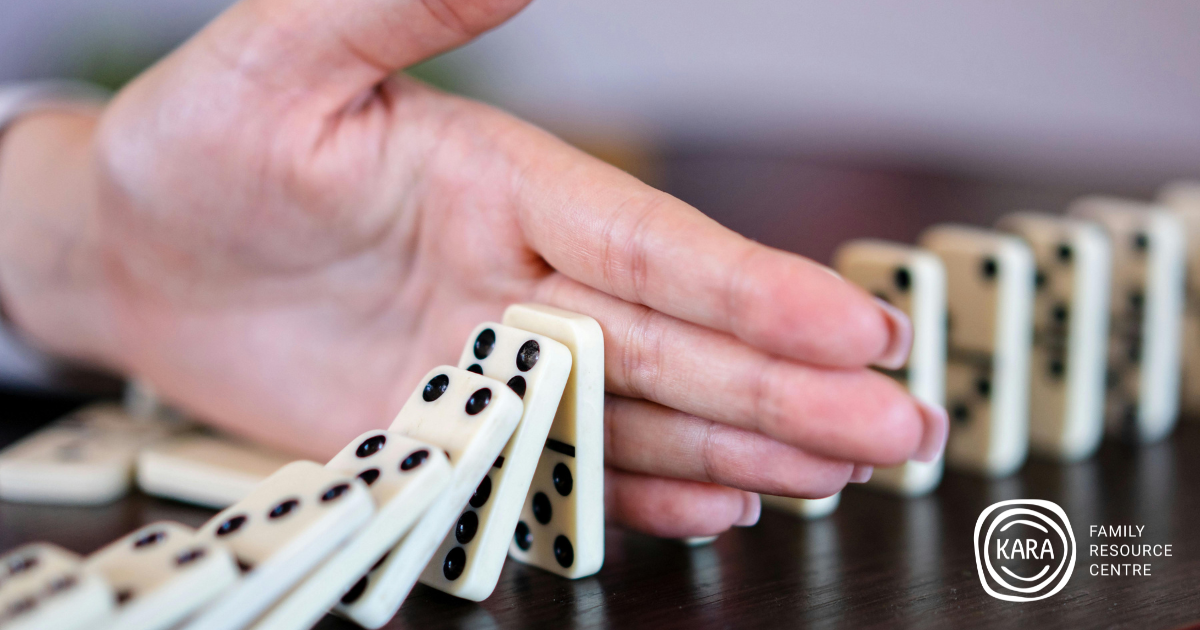

Part 1 of KARA Family Resource Centre's 10-part leadership series exploring prevention-based care.
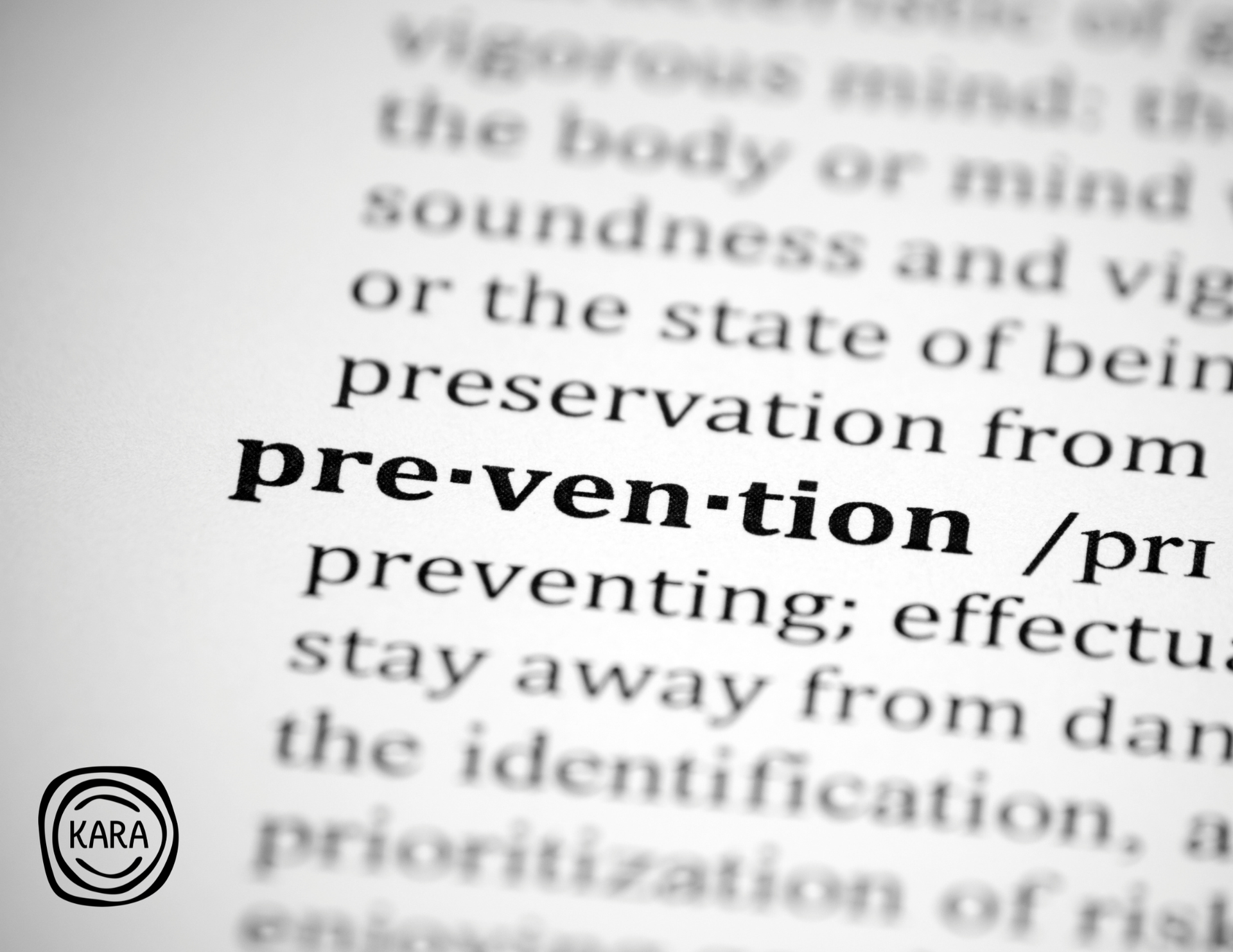
When people hear the word prevention, they often think it is something designed for families who are already considered "at risk."
I don't.
To me, prevention is about recognizing that every family will experience seasons of stress, uncertainty, and transition. A new baby. A child starting school. A move. A job loss. A separation. Caring for aging parents while raising children. None of these situations automatically become a crisis, but every one of them asks something of us.
The question isn't whether families will experience challenges.
The question is whether they have enough support around them before those challenges become overwhelming.
Perhaps prevention is often misunderstood because we tend to celebrate the response to crisis more than we celebrate the work that prevented the crisis from happening in the first place.
We celebrate the emergency response, the intervention, the rescue. Yet some of the most meaningful work happens long before any of those things are needed. It happens quietly—in relationships, in conversations, in community connections, and in the everyday moments that strengthen families before life's challenges become too much to carry alone.
At KARA Family Resource Centre, prevention isn't a program we deliver. It is a philosophy that shapes how we think, how we make decisions, how we build relationships, and how we invest in families and communities.
It influences every part of our organization—from program design and volunteer engagement to partnerships, governance, and organizational culture. Prevention isn't something we do after identifying risk. It is the lens through which we approach our work every day.
I often think about this in terms of margin.
Margin is the emotional, financial, relational, and practical space that allows us to navigate life's inevitable challenges. When we have margin, we can adapt. We can solve problems. We can recover from setbacks because we still have something left to draw upon.
But life has a way of reducing that margin.
Sometimes it happens gradually. A few sleepless nights with a newborn. Rising grocery costs. An aging parent who suddenly needs more care. A child struggling at school. A change in employment. The loss of a relationship.
None of these experiences automatically create a crisis.
Yet each one quietly reduces the space we have to cope.
Eventually, even something relatively small can feel overwhelming—not because we aren't capable, but because we've been carrying so much for so long.
Prevention-based care is about protecting and building that margin before it reaches a breaking point.
Perhaps one of the greatest challenges with prevention is that it is largely invisible.
When prevention works, there isn't a dramatic story to tell. There isn't an emergency that demanded immediate attention or a crisis that captured headlines. Instead, there is a family that remained connected. A parent who found confidence before becoming overwhelmed. A child who continued to thrive because support was available early. A neighbour who reached out. A community that wrapped around a family before they fell through the cracks.
The success of prevention is often measured by what never happened.
In many ways, prevention is invisible until it's absent.
That can make prevention difficult to see—and sometimes difficult to invest in. Yet, from my perspective, it is some of the most important work we can do. It reflects a belief that every family deserves the opportunity to build resilience, strengthen relationships, and access support before life becomes unmanageable.
One of the things I appreciate most about KARA's approach is that we don't begin with deficits.
We begin with strengths.
We believe families are the experts in their own lives.
Our role isn't to rescue or direct. Our role is to walk alongside—to listen, ask thoughtful questions, create meaningful connections, and help families recognize the strengths they already possess.
You'll often hear us say, "With, not for."
Those three words have become more than a phrase at KARA. They are a reflection of our culture.
Lasting change doesn't come from doing things for people. It comes from creating environments where people feel seen, respected, connected, and capable of identifying their own path forward. It comes from trusting that families already possess strengths, wisdom, and resilience, even when life's challenges make those strengths difficult to see.
This philosophy also changes how we think about community.
Too often, our systems are designed to respond downstream—after a family reaches crisis.
Downstream work is essential. There will always be moments when families need immediate support, intervention, and protection.
But what if we invested more intentionally upstream?
What if we focused just as much on strengthening relationships, reducing isolation, creating belonging, and building community before families reached a breaking point?
What if we recognized that a conversation, a parenting group, a trusted relationship, or simply knowing where to turn could change the course of someone's journey long before formal intervention became necessary?
That is what prevention asks us to consider.
How do we strengthen relationships before isolation sets in?
How do we connect families before they feel alone?
How do we create opportunities for belonging before people begin to disengage?
How do we invest in families while they still have the capacity to build on their strengths?
Much of this work will never make headlines because, when prevention succeeds, the crisis never arrives. That doesn't make the work invisible in value—it simply makes its impact harder to measure.
These aren't just questions for family-serving organizations. They're questions for all of us.
Because prevention isn't someone else's responsibility. It's something communities build together.
Over the coming weeks, members of KARA's leadership team will share different perspectives on prevention-based care—from frontline practice and volunteerism to collaboration, governance, and philanthropy. Together, we hope to contribute to a broader conversation about how communities can create stronger outcomes for children and families by investing earlier, building stronger relationships, and walking alongside people before challenges become crises.
My hope is that this series encourages us to think differently about prevention—not as something reserved for moments of crisis, but as an investment in the everyday wellbeing of families and communities.
Because at KARA, we believe every family deserves support before crisis—because prevention is strongest when communities choose to walk alongside one another, long before anyone has to ask for help.